
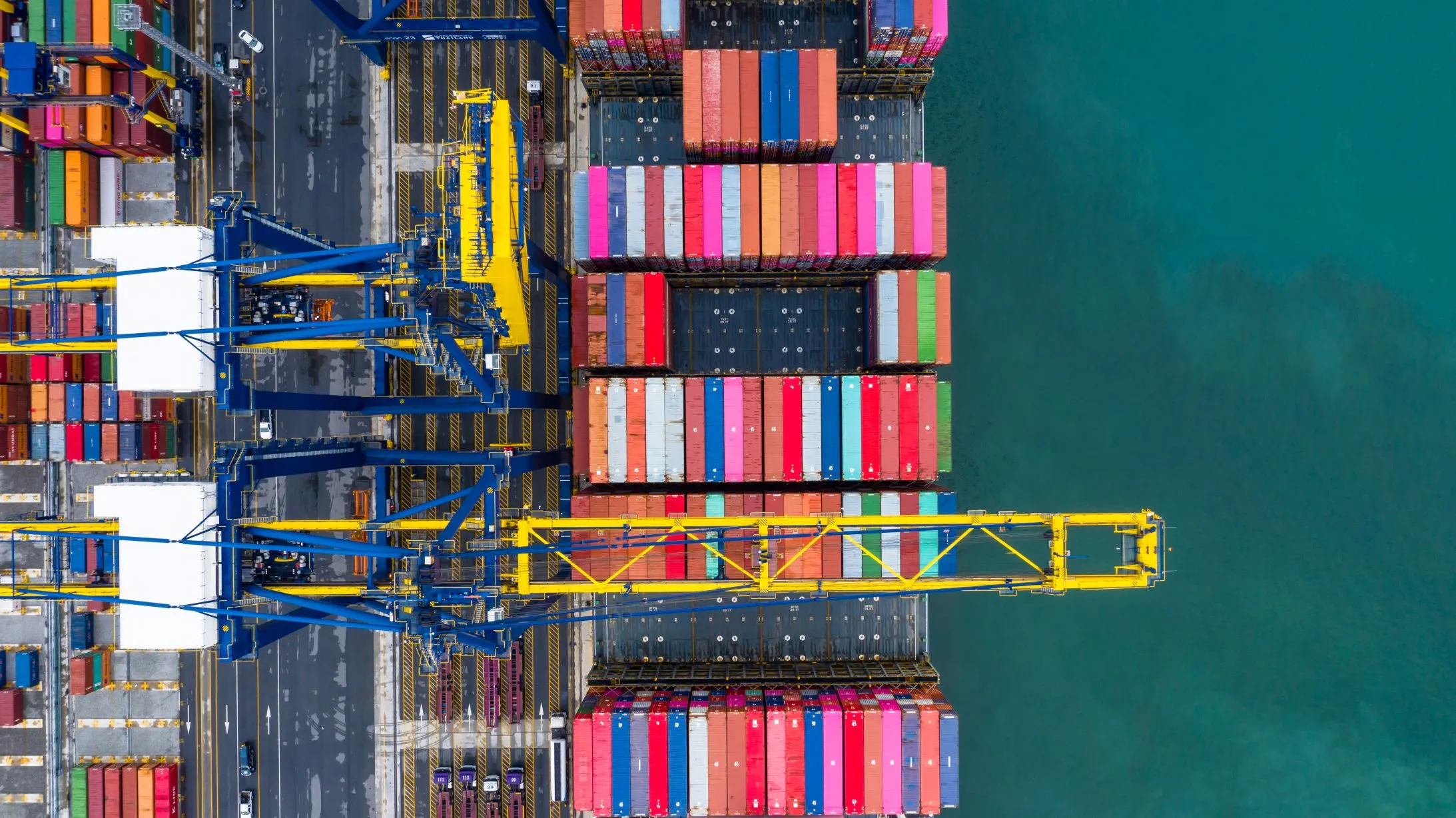
Integrated logistics solutions are transforming the way companies manage global supply chains. Instead of working with multiple disconnected providers, businesses are now adopting integrated logistics that unify transportation, warehousing, distribution, and supply chain management under one coordinated strategy.
In today’s complex logistics environment, speed, visibility, and efficiency are essential. Integrated logistics solutions provide a framework that connects every stage of the supply chain, allowing companies to reduce delays, improve coordination, and respond faster to market demands.
At their core, integrated logistics eliminate fragmentation. They enable businesses to operate with a single, cohesive system that aligns operations from origin to final delivery.
Why Integration Matters More Than Ever
The global supply chain has become increasingly complex due to e-commerce growth, shifting consumer expectations, and international trade expansion. Companies must manage multiple transportation modes, regulatory requirements, and fluctuating demand patterns.
Integrated solutions address these challenges by creating a unified system that improves communication and coordination across all logistics functions.
According to McKinsey & Company, companies that implement integrated supply chain strategies can significantly reduce costs and improve operational performance.
Source: https://www.mckinsey.com/
Additionally, the World Bank emphasizes that efficient logistics systems are essential for global trade competitiveness.
Source: https://lpi.worldbank.org/
Key Benefits of Integrated Logistics Solutions
1. Enhanced Operational Efficiency
Integrated logistics solutions streamline workflows by eliminating redundancies and improving coordination. Instead of managing multiple providers, businesses operate through a centralized system that ensures smooth transitions between logistics stages.
2. End-to-End Visibility
One of the most valuable aspects of integrated logistics solutions is real-time visibility. Businesses can track shipments, monitor inventory, and access data across the entire supply chain.
This level of transparency allows for better decision-making and risk management.
3. Cost Optimization
Integrated logistics solutions reduce costs by consolidating services and improving efficiency. Businesses benefit from:
- Reduced administrative overhead
- Better carrier negotiation rates
- Optimized routing
According to Deloitte, supply chain integration can lead to significant cost savings and improved resilience.
Source: https://www2.deloitte.com/
4. Scalability and Flexibility
As businesses grow, their logistics needs become more complex. Integrated logistics solutions provide the flexibility to scale operations without restructuring the entire supply chain.
The Role of Technology in Integration
Technology is the backbone of integrated logistics. Advanced digital platforms enable real-time tracking, predictive analytics, and automated workflows.
Key technologies include:
- Transportation Management Systems (TMS)
- Warehouse Management Systems (WMS)
- IoT-based tracking devices
- AI-driven demand forecasting
The International Air Transport Association highlights the importance of digitalization in improving logistics conglomerate model efficiency.
Source: https://www.iata.org/
Integrated Logistics in Action
Consider a company shipping products internationally. Without integration, each step—freight forwarding, customs clearance, warehousing, and delivery—is handled separately.
With integrated logistics, all these processes are coordinated under one system, ensuring seamless execution and improved performance.
Connection to the Logistics Conglomerate Model
Integrated logistics solutions are a fundamental component of the logistics conglomerate model. By combining multiple logistics services under one structure, companies can deliver end-to-end solutions that improve efficiency and scalability.
Conclusion
Integrated logistics are redefining supply chain management. By improving efficiency, visibility, and scalability, they enable businesses to compete in a fast-paced global market. Contact us today!
Companies that adopt integrated logistics will be better positioned to navigate complexity and achieve long-term success.