
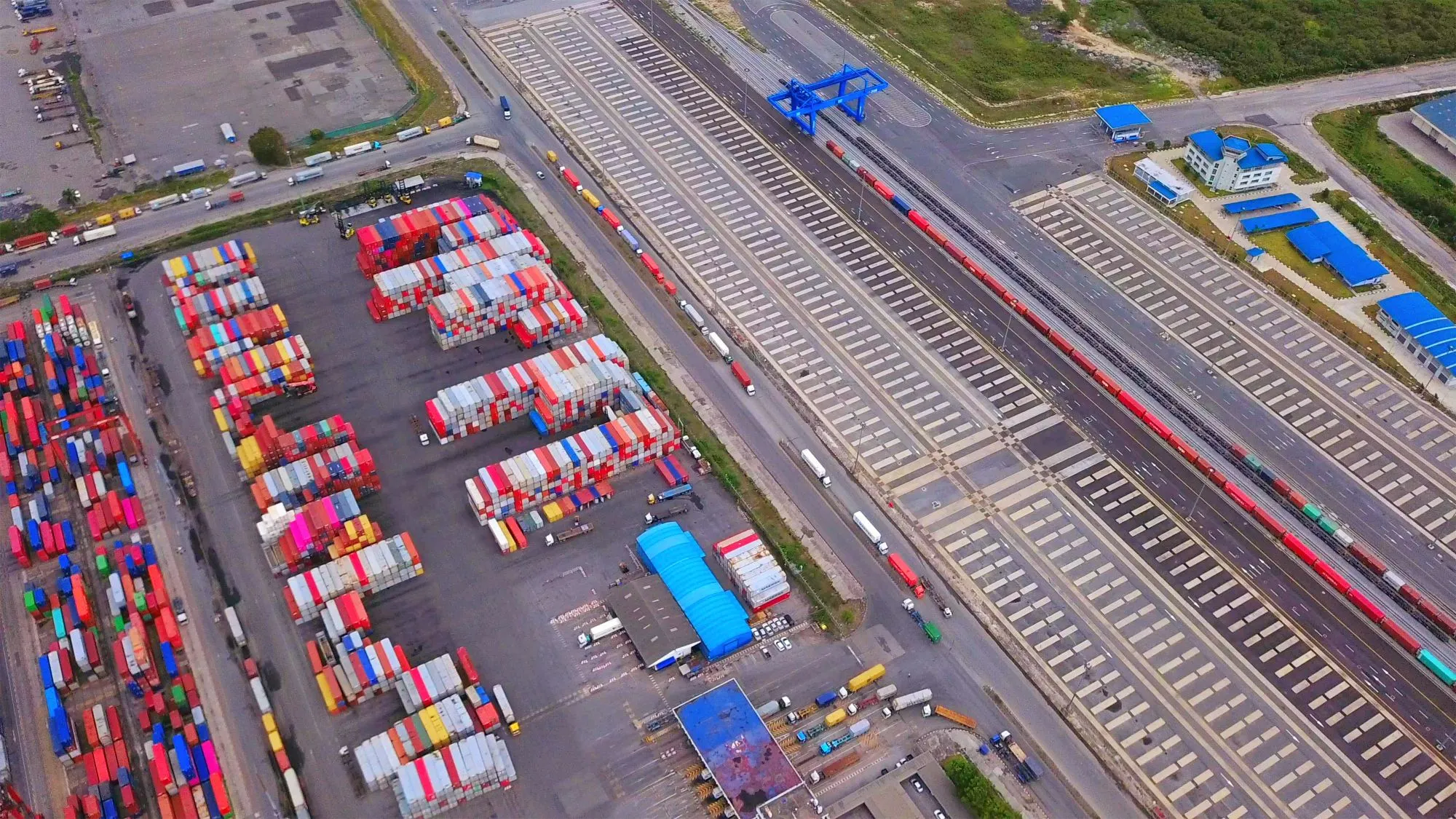
Multimodal logistics solutions are redefining how global supply chains operate. In a world where speed, cost efficiency, and flexibility are critical, businesses are increasingly relying on multimodal logistics solutions to move goods across borders and continents.
Multimodal logistics involve the use of multiple transportation modes—such as air, ocean, rail, and road—within a single, integrated shipping strategy. Rather than depending on a single mode of transport, companies can combine different methods to optimize delivery performance.
At their core, multimodal solutions are about coordination. They allow businesses to design supply chains that balance speed and cost while maintaining reliability.
Why Multimodal Logistics Solutions Are Essential in Global Trade
The global logistics landscape has become more complex due to increasing trade volumes, fluctuating fuel costs, and growing customer expectations. Businesses must navigate these challenges while maintaining efficiency and profitability.
Multimodal logistics solutions provide the flexibility needed to adapt to changing conditions. By combining different transportation modes, companies can create dynamic supply chains that respond to disruptions and optimize performance.
According to the World Bank’s Logistics Performance Index, efficient logistics systems are a key factor in global trade competitiveness.
Source: https://lpi.worldbank.org/
Additionally, global supply chain disruptions in recent years have highlighted the importance of flexible logistics strategies—something logistics solutions are uniquely positioned to deliver.
Key Benefits of Multimodal Logistics
1. Cost Optimization
One of the primary advantages of multimodal solutions is cost efficiency. Businesses can select the most economical combination of transportation modes for each shipment.
For example:
- Ocean freight for long-distance cost savings
- Air freight for urgent deliveries
- Ground transport for regional distribution
This flexibility allows companies to reduce overall logistics costs without compromising service quality.
2. Faster Transit Times
Multimodal logistics enable businesses to optimize transit times by combining faster transportation methods where needed.
For instance, a shipment may travel via ocean freight for most of its journey and then switch to air freight for final delivery, significantly reducing lead times.
3. Greater Flexibility
Flexibility is one of the defining features of multimodal logistics solutions. Businesses can adjust routes and transportation methods based on market conditions, demand fluctuations, or disruptions.
This adaptability is critical in today’s volatile global environment.
4. Improved Reliability
By diversifying transportation modes, logistics conglomerate model reduce dependency on a single system. This minimizes the risk of delays caused by disruptions in one mode of transport.
5. Enhanced Sustainability
Multimodal logistics also support sustainability initiatives. By optimizing routes and selecting efficient transportation methods, companies can reduce carbon emissions.
The International Energy Agency emphasizes the importance of optimizing transport systems to improve sustainability.
Source: https://www.iea.org/
The Role of Technology in Multimodal Logistics
Technology is essential for managing multimodal solutions effectively. Advanced digital platforms allow logistics providers to coordinate multiple transportation modes in real time.
Key technologies include:
- Transportation Management Systems (TMS)
- Real-time tracking and visibility tools
- AI-driven route optimization
- Data analytics for performance monitoring
These technologies enable seamless coordination and ensure that multimodal solutions operate efficiently.
According to McKinsey & Company, digital transformation is a critical driver of logistics efficiency.
Source: https://www.mckinsey.com/
Multimodal Logistics in Practice
Consider a global shipment moving from Asia to North America. With multimodal logistics, the shipment may follow this path:
- Ocean freight from the origin port
- Rail transport across inland regions
- Truck delivery for final distribution
This combination optimizes both cost and efficiency.
Challenges of Multimodal Logistics Solutions
While multimodal logistics solutions offer many benefits, they also come with challenges:
- Complex coordination between transport modes
- Regulatory requirements across different regions
- Infrastructure limitations in certain areas
However, these challenges can be effectively managed through integration and expertise.
Connection to the Logistics Conglomerate Model
Multimodal logistics solutions are a core pillar of the logistics conglomerate model. By integrating multiple transportation capabilities under one structure, logistics groups can deliver seamless, end-to-end solutions.
The Future of Multimodal Logistics Solutions
As global trade continues to evolve, multimodal logistics solutions will play an increasingly important role. Businesses will rely on these solutions to improve efficiency, reduce costs, and enhance supply chain resilience.
Conclusion
Multimodal logistics solutions are essential for modern supply chains. By combining different transportation modes, businesses can achieve greater flexibility, efficiency, and reliability.
Companies that invest in multimodal logistics solutions will be better positioned to navigate the complexities of global trade and maintain a competitive advantage.