
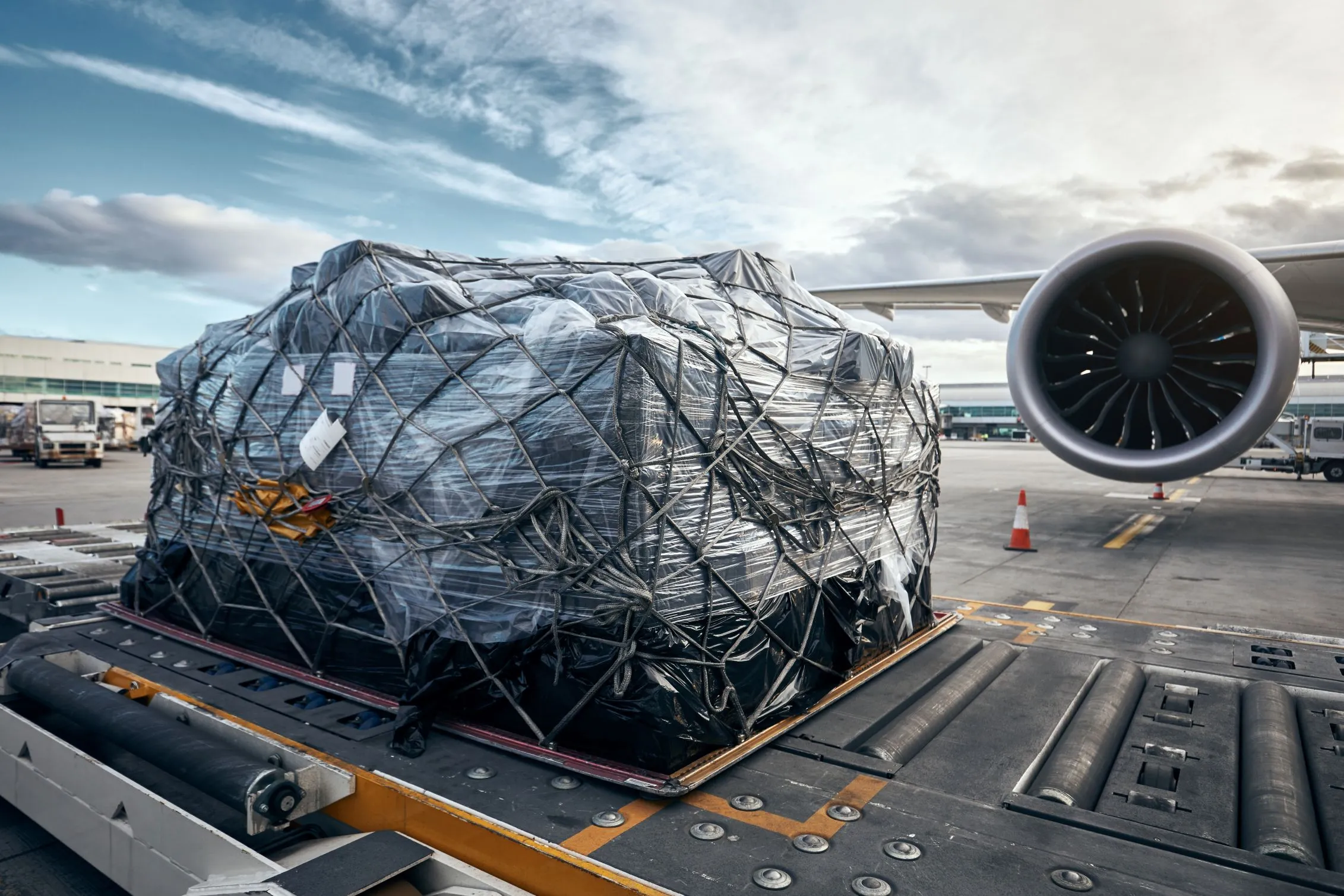
Air cargo services are a critical component of modern global logistics. In an increasingly fast-paced world, businesses rely on air cargo services to transport goods quickly and efficiently across international markets.
Air cargo services provide unmatched speed compared to other transportation modes, making them essential for time-sensitive shipments.
Why Air Cargo Is Essential in Global Trade
Global trade depends on efficient transportation systems. Air cargo enable businesses to meet tight deadlines and deliver high-value goods with speed and precision and meet the logistics conglomerate model.
According to the International Air Transport Association (IATA), air cargo account for over 35% of global trade by value.
Source: https://www.iata.org/
This highlights the importance of air cargo in supporting global commerce.
Key Advantages of Air Cargo Services
1. Speed and Efficiency
Air cargo significantly reduce transit times, allowing businesses to deliver goods faster than other transportation methods.
2. Reliability
Airlines operate on fixed schedules, ensuring consistent and predictable delivery times.
3. Global Connectivity
Air cargo connect major markets worldwide, enabling international trade.
4. Security
Strict airport security measures reduce the risk of theft and damage.
Air Cargo Services in Key Industries
E-commerce
Air freight services are essential for meeting the fast delivery expectations of online consumers.
Pharmaceuticals
Temperature-sensitive medical products rely on air freight services for rapid and secure transport.
Automotive
Urgent spare parts and components are transported using air cargo to minimize downtime.
High-Value Goods
Luxury products and electronics require secure and fast transportation.
Technology Driving Air Cargo Services
Technology is transforming air cargo services by improving efficiency and transparency.
Key innovations include:
- Digital booking platforms
- Real-time shipment tracking
- Automated documentation systems
- AI-driven route optimization
These technologies enhance the performance of air services and improve customer experience.
Challenges in Air Cargo Services
Air freight services face several challenges:
High Costs
Air transport is more expensive than other modes.
Capacity Constraints
Limited cargo space can impact availability.
Environmental Impact
Air transport contributes to carbon emissions.
Sustainability in Air Cargo Services
The aviation industry is actively working to reduce its environmental impact.
The International Civil Aviation Organization (ICAO) promotes sustainable aviation practices.
Source: https://www.icao.int/
Efforts include:
- Sustainable aviation fuels (SAF)
- Improved aircraft efficiency
- Carbon offset programs
Air Cargo and Supply Chain Resilience
Air cargo play a vital role in ensuring supply chain resilience. During disruptions, air transport provides an alternative solution for maintaining operations.
Connection to the Logistics Conglomerate Model
Air cargo services are a key component of the logistics conglomerate model, enabling fast and efficient global distribution.
Integration with other logistics services enhances overall supply chain performance.
The Future of Air Freight
The future of air freight services will be shaped by technology, sustainability, and evolving customer expectations.
Key trends include:
- Increased digitalization
- Expansion of e-commerce logistics
- Investment in sustainable aviation technologies
Conclusion
Air freight services are essential for modern supply chains. Their speed, reliability, and global reach make them a cornerstone of global logistics.
Businesses that leverage air cargo services effectively will gain a competitive advantage in today’s fast-moving global economy.