
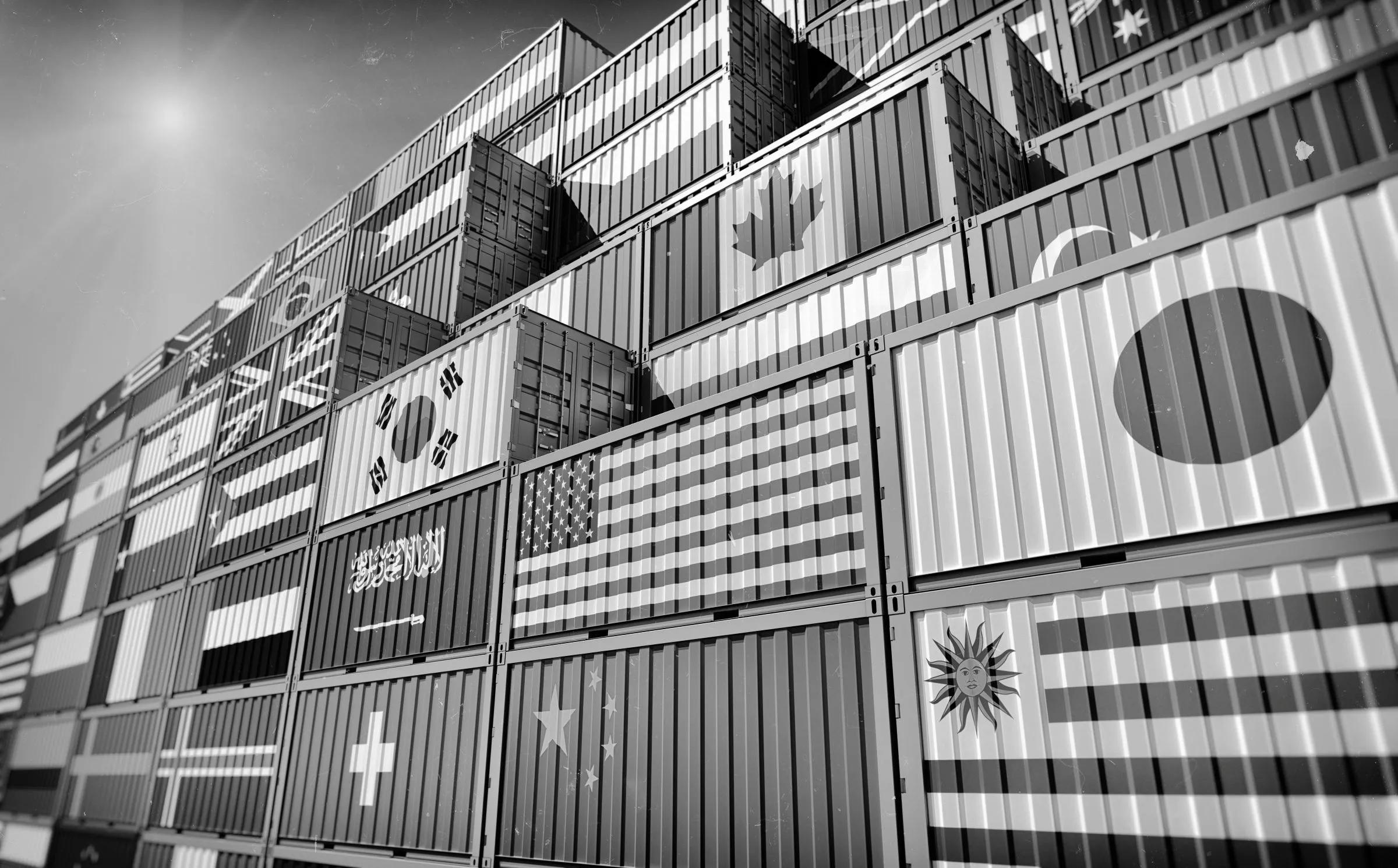
On February 20, 2026, the U.S. Supreme Court delivered a landmark decision by striking down several Trump-era tariffs, signaling a major shift in global trade economics. For importers, exporters, freight forwarders, e-commerce brands, and air cargo operators, this moment introduces new opportunities and fresh operational challenges.
If your business moves goods across borders, now is the time to consider how this game-changing decision impacts cost structures, supply chains, and your long-term strategy. LCX Group, with expertise in freight forwarding, e-commerce logistics, air cargo, and cold chain management, is uniquely positioned to guide your organization through this pivotal period.
How the Supreme Court Tariff Decision Changes Import Cost Structures
One immediate result of the Supreme Court tariff decision is a substantial reduction in duty burdens for businesses importing various product categories. With lower landed costs, organizations can achieve greater efficiency, optimizing pricing and margins for end consumers. This new reality supports business expansion and helps maintain competitive pricing in volatile markets.
According to the U.S. International Trade Commission, duty changes can affect entire industry verticals—spanning electronics, apparel, and auto parts.
Cross-Border E-Commerce and Normalized Pricing
Normalized pricing, unlocked by the Supreme Court tariff decision, is a catalyst for growth in cross-border e-commerce. Retail and consumer sectors are expected to benefit from this environment, with higher demand and consumer confidence. As pricing stabilizes, e-commerce brands will rely even more on streamlined logistics, seamless customs clearance, and expedited freight solutions.
For more insights on e-commerce trends, visit Digital Commerce 360.
Rebalancing Freight: Ocean vs Air Modal Shifts
Cost flexibility invites a critical assessment of transportation strategies. Before the Supreme Court tariff decision, tariffs often dictated whether goods traveled by ocean or air. Now, importers may favor air freight for high-value SKUs, thanks to improved cost efficiency, while bulk shipments may continue to utilize ocean freight for savings.
Learn more about modal shifts at The Journal of Commerce.
Managing Capacity and Rate Volatility
A surge in shipping volumes is an expected after-effect of the Supreme Court tariff decision, driving short-term price changes and possible space shortages across high-traffic corridors. Businesses must stay agile—monitoring trends, communicating with suppliers, and seeking strategic partnerships to secure space and control costs.
Find current updates on freight rates at Freightos.
Supply Chain Repositioning in a New Trade Climate
Organizations are already rethinking how and where they source goods. The Supreme Court tariff decision is inspiring businesses to reassess nearshoring, diversify suppliers, and ensure compliance with updated trade regulations. Proactive companies can enhance resiliency and optimize their supply chains to adjust quickly as global policies evolve.
Learn about supply chain resiliency from the Council of Supply Chain Management Professionals.
How LCX Group Empowers Your Organization
At LCX Group, we are more than a logistics partner. We help importers, exporters, and supply chain managers mitigate risk, optimize costs, and reposition resources for success in a dynamic regulatory environment.
Our solutions include:
- Freight forwarding (air, ocean, road, multimodal)
- E-commerce logistics and inventory management
- Cold chain expertise for temperature-sensitive goods
- Trade compliance advisory to keep you ahead of regulatory changes
Our executive team is ready to develop personalized strategies for your unique needs, whether it’s cost assessment, capacity planning, or optimizing your global footprint. Download our LCX Group Corporate Deck or contact us for a consultation.
Further Reading & Resources
- U.S. Supreme Court Decisions – Official Site
- Trade Compliance Resources – Export.gov
- Global Logistics News – Supply Chain Dive
Conclusion
The Supreme Court tariff decision has ushered in a new era for global trade and logistics. Companies that move decisively can reduce import costs, capitalize on e-commerce growth, and reposition their supply chains for maximum resiliency. At LCX Group, we stand ready to help you adapt and thrive. Reach out for expert guidance and start redefining your advantage in this transformed market.