
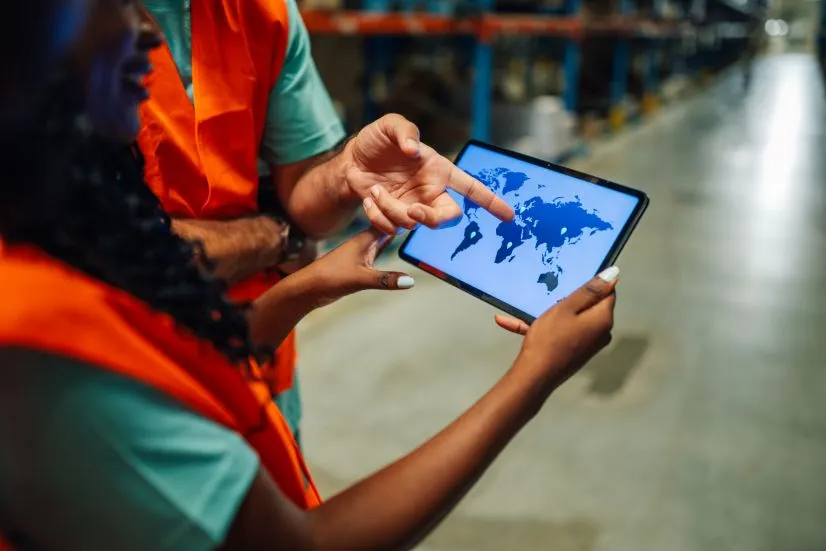
Global supply chains are becoming more connected, digital, and sophisticated. At the same time, they are becoming more difficult to manage.
International shipments can cross multiple borders, transportation modes, regulatory environments, warehouses, airports, and distribution networks before reaching their final destination. Some products require temperature control. Others depend on extremely short transit times, specialized documentation, customs expertise, or carefully coordinated airline capacity.
Technology can make these networks more visible and efficient, but technology alone cannot eliminate their complexity.
This is why logistics expertise continues to become more valuable.
Specialized logistics expertise combines cargo knowledge, regulatory understanding, transportation experience, market intelligence, and operational judgment around specific supply chain requirements.
Rather than applying the same logistics model to every shipment, specialists understand that flowers, pharmaceuticals, ecommerce orders, industrial components, seafood, and urgent air cargo can require very different strategies.
As global trade continues evolving, businesses increasingly need logistics partners capable of understanding not only how cargo moves, but also the operational requirements that determine whether it moves successfully.
The World Trade Organization (WTO) provides extensive resources illustrating the regulatory, procedural, and geographic complexity involved in international trade.
In complex global supply chains, specialization is therefore not an additional service. It can become a fundamental part of operational performance.
What Is Specialized Logistics Expertise?
Specialized logistics expertise is the combination of knowledge and practical experience required to manage specific cargo types, transportation environments, industries, regulations, or markets.
It can include expertise in:
- International freight forwarding
- Customs and trade compliance
- Cold chain logistics
- Perishable handling
- Air cargo
- Airline representation
- Warehousing and fulfillment
- Transportation planning
- Regional markets
- Cargo documentation
- Capacity management
- Supply chain technology
The value comes from understanding the details that can determine whether a logistics operation succeeds or fails.
A general transportation solution may move cargo from origin to destination.
A specialized logistics solution considers what the cargo requires throughout that journey.
That distinction becomes increasingly important as supply chains expand across countries, transportation modes, and regulatory environments.
Why Do Complex Supply Chains Require Specialists?
Complexity increases the number of decisions that must be made correctly.
An international shipment may require the appropriate carrier, transportation mode, documentation, customs classification, warehouse, route, airport, handling procedures, and delivery strategy.
For sensitive cargo, additional requirements may include temperature control, monitoring, specialized packaging, or reduced dwell time.
Each additional requirement creates another potential point of failure.
Specialists reduce this complexity by applying experience from similar cargo, markets, and operational environments.
They understand which questions need to be asked before cargo begins moving.
This proactive knowledge can be significantly more valuable than solving problems after they occur.
Organizations interested in how different specialized capabilities can work together can explore The Complete Guide to Integrated Logistics: Building a More Connected Global Supply Chain.
Integrated logistics does not eliminate specialization. It connects specialists around a common supply chain strategy.
Freight Expertise Goes Beyond Booking Transportation
Freight forwarding provides a clear example of why specialized knowledge matters.
Moving an international shipment involves much more than selecting a carrier.
Freight professionals must consider origin and destination requirements, transportation modes, carrier capabilities, schedules, customs procedures, documentation, transit times, cargo characteristics, and potential routing alternatives.
Providers of global freight forwarding solutions combine these capabilities to coordinate cargo across international transportation networks.
Experienced freight forwarders can also recognize when the lowest-cost transportation option may not represent the best overall supply chain decision.
A longer transit time may increase inventory requirements. A particular gateway may create additional handling. A transportation mode may not provide the reliability required for critical inventory.
This is where logistics expertise creates value.
The decision is not simply about moving freight.
It is about understanding how transportation decisions affect the broader supply chain.
Cargo-Specific Expertise Can Protect Product Value
Different products create different logistics requirements.
A shipment of industrial equipment can tolerate conditions that would be unacceptable for fresh seafood.
Electronics may require secure handling.
Flowers depend heavily on time and temperature.
Pharmaceutical products may require strict monitoring, documentation, and controlled environments.
High-value cargo can require additional security procedures.
The logistics strategy must therefore reflect the characteristics of the product.
Cargo-specific specialists understand these requirements because they work within those environments continuously.
This knowledge helps determine appropriate transportation, storage, handling, monitoring, and contingency procedures before cargo begins its journey.
In global supply chains, product expertise can be just as important as transportation expertise.
Cold Chain Logistics Demonstrates the Value of Specialization
Few logistics environments demonstrate the importance of specialized knowledge as clearly as the cold chain.
Temperature-sensitive products can lose quality or commercial value when conditions move outside acceptable ranges.
Speed matters, but temperature management must continue throughout the entire journey.
Specialized cold chain logistics solutions can coordinate refrigerated transportation, cold storage, airport handling, monitoring, inventory management, and distribution according to product requirements.
A cold chain specialist must understand more than refrigeration.
Different products may require different temperature ranges, handling procedures, packaging, airflow, humidity considerations, and acceptable transit times.
Flowers and seafood are both perishables, for example, but their logistics requirements are not identical.
This is precisely why specialization matters.
Expertise allows logistics strategies to be designed around the product instead of forcing every product into the same operational model.
Local Market Knowledge Matters in Global Logistics
Global supply chains may cross continents, but logistics operations always take place within local markets.
Customs procedures, infrastructure, transportation availability, airport capabilities, warehouse networks, regulations, carrier relationships, and business practices can vary significantly between countries and regions.
Local knowledge helps businesses navigate these differences.
This becomes especially important as global trade corridors evolve and companies expand sourcing, manufacturing, and distribution into new markets.
Organizations can explore these changing patterns in Global Trade Corridors in 2026: How Changing Trade Flows Are Reshaping Logistics.
A logistics strategy that performs well in one market cannot always be replicated exactly in another.
Specialized regional expertise can help businesses understand infrastructure constraints, carrier options, customs environments, seasonal cargo flows, and local operational realities.
The strongest global logistics networks therefore combine international connectivity with local knowledge.
Expertise Becomes More Valuable as Supply Chains Become More Connected
Greater connectivity does not make logistics knowledge less important.
It makes expertise easier to apply across a larger network.
Digital platforms can connect freight forwarders, airlines, warehouses, cold chain facilities, customs systems, and customers. Real-time visibility can provide enormous amounts of operational information.
But information still requires interpretation.
A delayed shipment may require rerouting. A temperature alert may require intervention. A capacity shortage may require another carrier. A customs issue may require specialized documentation knowledge.
Technology identifies the situation.
Expertise determines what should happen next.
This relationship between connected information and human judgment is becoming one of the defining characteristics of modern logistics.
As supply chains become more technologically sophisticated, the competitive advantage will increasingly come from combining better information with professionals who understand how to use it.
Aviation Expertise Connects Speed With Operational Precision
Aviation is one of the most specialized environments within global logistics.
Air cargo combines strict schedules, limited capacity, airport procedures, ground handling, security requirements, documentation, and time-sensitive coordination. A shipment may need to move between multiple parties within a relatively short operational window.
Specialized aviation professionals understand how these elements interact.
Providers of air cargo operations help connect cargo with aviation networks while coordinating the operational requirements necessary to move shipments efficiently.
The International Air Transport Association (IATA) develops global standards and industry programs across air cargo, demonstrating the level of coordination and specialized knowledge required throughout aviation logistics.
For businesses, aviation expertise becomes particularly valuable when shipments are urgent, sensitive, high-value, or dependent on specific schedules.
Organizations can explore aviation’s broader role in How Aviation Connects Global Supply Chains and Keeps World Trade Moving.
GSSA Expertise Connects Airlines With Cargo Markets
Specialization also exists on the commercial side of aviation.
General Sales and Service Agents, or GSSAs, represent airlines within specific markets and help connect available cargo capacity with freight forwarders and regional demand.
This requires a combination of airline knowledge, commercial expertise, customer relationships, market intelligence, and understanding of local cargo flows.
Providers of airline cargo solutions can help airlines develop markets, optimize cargo sales, strengthen freight forwarder relationships, and identify commercial opportunities.
Local expertise becomes particularly valuable as trade corridors evolve.
An airline evaluating a new market needs more than general economic information. It needs to understand cargo demand, seasonality, competing capacity, freight forwarder requirements, customer behavior, and regional commercial conditions.
Specialized GSSA expertise transforms that information into actionable market intelligence.
Regulatory Knowledge Reduces International Trade Complexity
International logistics operates within a complex regulatory environment.
Customs requirements, security regulations, product restrictions, documentation standards, trade agreements, and cargo-specific rules can differ significantly between markets.
Incorrect or incomplete documentation can create delays, additional costs, inspections, or other operational problems.
Specialized logistics professionals help businesses understand these requirements before shipments begin moving.
The World Bank highlights trade facilitation, border management, infrastructure, and logistics performance as important factors influencing how efficiently goods move internationally.
Regulatory expertise becomes even more important for products with additional requirements, including pharmaceuticals, food products, perishables, hazardous materials, and other controlled cargo categories.
The objective is not simply compliance.
It is integrating compliance into logistics planning so regulatory requirements do not become unexpected barriers later in the journey.
Specialized Expertise Becomes Critical During Disruptions
Routine logistics operations can often follow established procedures.
Disruptions are different.
Weather events, capacity shortages, infrastructure problems, customs delays, missed connections, geopolitical developments, and sudden changes in demand can force logistics teams to make decisions quickly.
This is when experience becomes particularly valuable.
A specialist may recognize alternative gateways, carriers, transportation modes, handling facilities, or operational solutions because they have encountered similar conditions before.
That knowledge can shorten response times.
Organizations can explore the broader role of specialized partners during disruptions in Supply Chain Resilience in 2026: How Specialized Logistics Partners Reduce Risk.
Expertise cannot eliminate uncertainty.
It can improve the quality and speed of the response.
Can AI Replace Specialized Logistics Expertise?
Artificial intelligence is transforming logistics, but its growth does not make specialized expertise obsolete.
In many cases, it makes expertise more valuable.
AI can analyze enormous datasets, recognize patterns, automate repetitive activities, predict potential disruptions, and help teams access information faster.
But logistics decisions frequently require context.
A system may identify that a shipment is likely to arrive late. An experienced logistics professional must determine whether the delay matters, which alternatives are realistic, what additional costs are justified, and how the decision affects the customer.
AI provides intelligence.
Expertise provides judgment.
This relationship is explored further in AI in Logistics: Where Automation Is Creating Real Supply Chain Value.
The strongest future model is therefore unlikely to be humans versus technology.
It will be experienced logistics professionals using increasingly sophisticated technology to make better decisions.
How Should Businesses Evaluate Logistics Expertise?
Choosing a logistics partner requires looking beyond price and service lists.
Businesses should evaluate whether a provider actually understands their products, markets, transportation requirements, and operational risks.
Important questions include:
- Does the provider have experience with similar cargo?
- Does it understand the relevant markets?
- Can it explain potential operational risks?
- Does it provide realistic alternatives when disruptions occur?
- Does it understand applicable regulatory requirements?
- Can it coordinate with other logistics providers?
- Does it use technology effectively?
- Can it scale as requirements change?
The answers reveal much more than a generic capabilities presentation.
Businesses evaluating providers can also use Choosing a Global Logistics Partner: The Ultimate Evaluation Checklist as a broader framework.
The strongest logistics relationships combine technical capabilities with expertise, communication, transparency, and an understanding of the customer’s business objectives.
Integrated Logistics Works Best When Specialists Collaborate
Specialization does not mean fragmentation.
In fact, some of the strongest logistics ecosystems combine multiple specialists within a connected strategy.
A freight forwarder may coordinate international transportation. A cold chain specialist protects sensitive products. An airline provides capacity. A GSSA connects that capacity with market demand. Warehouses and distribution providers complete the journey.
Each contributes different expertise.
The competitive advantage appears when those specialists communicate and operate as part of a coordinated network.
This is why integrated logistics and specialized logistics are complementary concepts.
Integration connects the capabilities.
Specialization improves the quality of each capability.
Together, they create logistics networks capable of managing increasingly complex global supply chains.
Specialized Expertise Across the LCX Group Ecosystem
The structure of LCX Group reflects this combination of specialization and connectivity.
LCX Freight contributes expertise across freight forwarding, customs, warehousing, fulfillment, and international distribution.
LCX Fresh contributes specialized knowledge for perishables, cold chain operations, and temperature-sensitive supply chains.
Sunrise Air Cargo contributes aviation expertise for international air cargo transportation and time-sensitive shipments.
BlueX GSSA contributes airline representation, cargo sales, market intelligence, and capacity expertise.
These capabilities serve different logistics requirements, but their value increases when they operate within a broader connected ecosystem.
This model reflects an important reality of modern global commerce: increasingly complex supply chains rarely depend on one type of expertise.
They depend on multiple specialists capable of working together.
The Future of Logistics Will Require Deeper Expertise
Supply chains will continue becoming more technologically advanced.
Artificial intelligence will improve forecasting. Automation will reduce repetitive processes. Real-time monitoring will create greater visibility. Digital platforms will connect more participants across global logistics networks.
At the same time, trade corridors will continue evolving, regulations will change, customer expectations will increase, and specialized cargo requirements will remain complex.
Technology will help businesses manage these environments.
But technology still needs knowledgeable professionals capable of understanding what the information means and determining how to respond.
The future of logistics will therefore combine greater automation with deeper specialization.
Conclusion
Complex global supply chains require more than transportation capacity.
They require knowledge.
Freight expertise helps businesses navigate international transportation and customs. Cold chain specialists understand how to protect sensitive products. Aviation professionals manage time-critical cargo environments. GSSAs understand airline markets and capacity. Regional specialists provide local intelligence. Technology experts help transform data into actionable information.
Together, these capabilities demonstrate why logistics expertise remains fundamental to modern supply chain performance.
As logistics networks become more connected, businesses should not expect specialization to disappear.
The opposite is more likely.
Greater complexity creates a greater need for people and organizations that understand specific cargo, markets, regulations, transportation environments, and operational risks.
Technology can provide better information.
Connected networks can provide greater visibility.
Automation can make processes faster.
But specialized expertise turns those capabilities into informed decisions.
And in complex global supply chains, better decisions remain one of the most valuable logistics advantages a business can have.